Founder, Alapa Cultural Trust
Guru Nimakanta Routray
Guru Nimakanta Routray, one of the founding members of Alapa Cultural Trust, is a deeply respected figure in the world of Odissi classical music. A dedicated practitioner, teacher, and cultural thinker, his life has been woven inseparably with the melodies, rhythms, and spiritual essence of Odisha’s musical heritage.
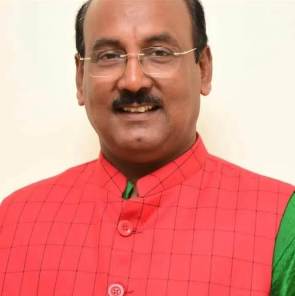 Rooted in humility and shaped by years of rigorous training under legendary Gurus such as Ghanshyam Panda, Ramhari Das, and Dhaneswar Swain, Guru Routray has inherited a rich legacy of traditional knowledge. What sets him apart is not just his musical prowess, but his unwavering commitment to preserving and transmitting this legacy with grace and integrity.
Choosing the path of music not for fame, but from a sense of inner calling, he has spent decades nurturing students and strengthening the foundation of Odissi music-not through grand gestures, but through tireless daily practice, thoughtful mentorship, and quiet dedication. His gentle yet firm approach as a teacher has inspired learners to find both discipline and joy in their musical journeys.
Guruji believes that music is a form of inner refinement, and he exemplifies this belief in every raga he sings, every lesson he imparts, and every silence he honors. His understanding of the struggles faced by traditional artists-especially those from modest backgrounds-has led him to build spaces of dignity and support, where art is treated not just as performance, but as a way of life.
One of the most beautiful aspects of Guru Nimakanta Routray’s teaching philosophy is its deep inclusivity and compassion. His students begin as young as four years old, and there is no upper age limit-a testament to his belief that music belongs to everyone, at every stage of life. For Guru Routray, the only prerequisite is sincerity of intent.
His door is always open to anyone who expresses a genuine interest in learning Odissi music. He watches quietly, listens intently, and when he recognizes a spark of talent in a child, that child finds a place at the school-regardless of their financial means. For him, music is not a commercial enterprise; it is a sacred transmission. He teaches not for profit, but from a deep-seated responsibility to pass on a tradition that shaped his own life.
This open-hearted approach has not only allowed many to access classical training who otherwise might not have, but has also made Alapa a truly inclusive space, where learning is fueled by passion, not privilege.